






 SALE
SALE WISH LIST
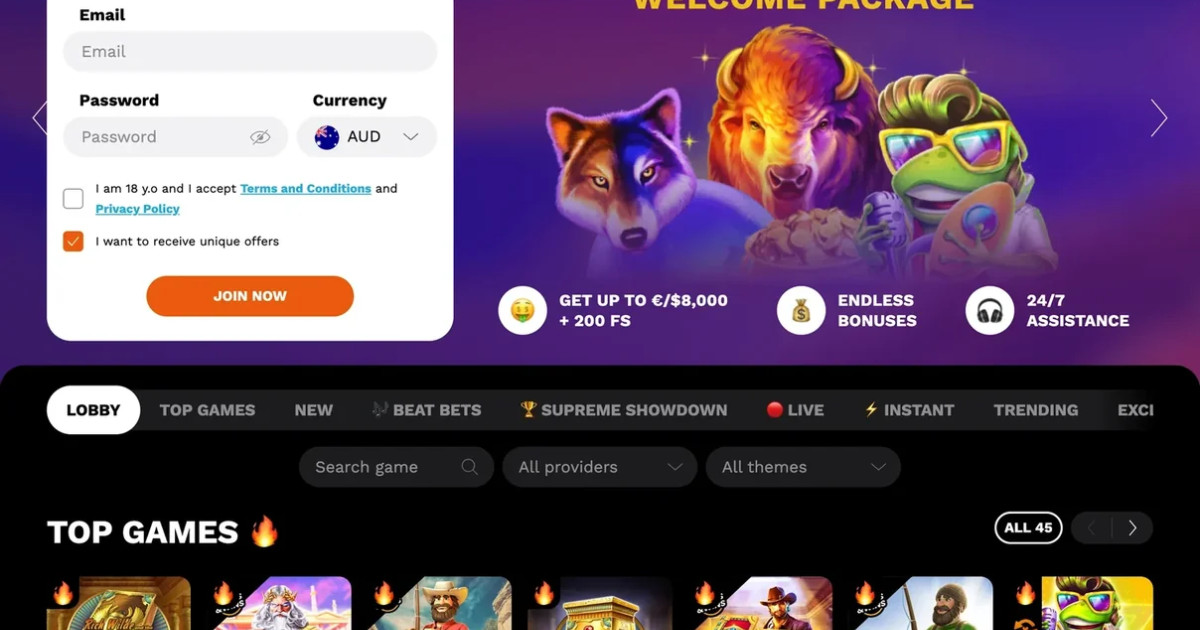
Let us introduce an open look at how we manage every ad, sponsorship, and public message that displays the Level up Casino name. Marketing is often the first handshake between us and someone who might become part of our platform, and I feel that handshake should be firm, honest, and clear about what we present. My team and I created this policy not as a legal requirement but as a active promise: we’ll never romanticize excessive play, never mask the risks, and never target viewers who shouldn’t be presented to gambling information. In the sections that follow, I’ll walk you through the specific steps we take to make sure our marketing mirrors the same care we put into our responsible gambling features. Your safety commences long before you ever create an account with us.
Our Dedication to Honest Communication
I’ve always felt the fastest way to forfeit trust is to guarantee something you can’t fulfill. That’s why all pieces of copy, image, and video we develop starts from a place of factual clarity. When we mention a welcome offer, I require the exact terms, wagering requirements, and time limits appear directly next to the headline number, never hidden in tiny footnotes. I also ensure our creative team steers clear of language that suggests gambling can remedy financial problems, replace a job, or function as an emotional escape. Words like “guaranteed win” or “risk-free” are excluded from our vocabulary because they present a distorted picture of what entertainment gaming actually entails. This commitment applies to influencer partnerships: we demand partners to declare the commercial relationship and to refrain from portraying gambling as a lifestyle necessity rather than a leisure choice.
Beyond the words, I focus carefully to the emotional tone our ads carry. You’ll never see us featuring desperate characters, lavish spending montages, or imagery that implies social status depends on a big win. Instead, we concentrate on the craft of the games, the friendly competition of live dealer tables, and the simple enjoyment of a well-designed slot mechanic. I regularly take part on creative reviews and raise one simple question: if a young adult who has never gambled before saw this, would they grasp both the fun and the inherent risk? If the answer isn’t a clear yes, we go back to the drawing board. Honest communication, for me, means every advertisement values your intelligence enough to tell the whole story, not just the highlight reel.
No False Bonuses or Promotions
Bonus offers can be a fantastic way to stretch your entertainment budget, but I recognise they can also become a root of confusion and frustration if they aren’t shown with absolute transparency. My policy is that every promotional advertisement must declare the most restrictive condition that pertains to the offer, not the most attractive headline figure. If a deposit match carries a forty-times wagering requirement and a seven-day expiry, those numbers are displayed in the same font size and visual weight as the bonus amount. I’ve eliminated the use of asterisks that point to hidden terms, and I demand that our landing pages load the full terms and conditions above the fold on mobile devices, so you never have to look for the details that matter most.
I also require that our promotions never create a sense of urgency that pushes you into a decision you might later repent. You won’t see countdown timers that reload every time you refresh the page, nor will you see language like “claim now or lose forever” attached to a standard welcome package that’s always offered to new players. When we do run genuinely time-limited events, I ensure the end date and time are stated unambiguously, and we stop serving the ad the moment the promotion concludes. My goal is that you feel informed and in control when you opt to accept a bonus, never rushed or manipulated by clever marketing tricks that value conversion over your wellbeing.
Encouraging Responsible Gambling Features in Our Ads
I’ve made it a mandatory practice that a large portion of our advertising inventory includes direct, unobstructed mentions to the responsible gambling options built into the Level up Casino site. This isn’t a minute logo hidden in a corner; I require that our video ads, display banners, and social media stories devote prominent space and time to explaining that deposit limits, loss limits, session timers, and self-exclusion options are available to every player from the moment they register. When we launch a campaign around a new game release or a seasonal tournament, you’ll see a clear message asking you to set your boundaries before you play, because I want the tools to be as recognized as the games themselves.
I also make sure that our affiliate partners and third-party marketers work under contracts that bind them to mirror this standard. Before any affiliate can promote Level up Casino, they must agree to include responsible gambling content in their content and to never position our brand as a solution to financial strain. My compliance team routinely audits affiliate sites, and I have not hesitated to terminate partnerships when we find violations. I’ve also directed our customer support team to be set to respond to any inquiry prompted by these ad placements, so if someone sees a responsible gambling alert and reaches check it out with questions about how to set a limit, they get a useful, human answer within minutes, not a generic script.
Safeguarding Vulnerable Groups
My first and most non-negotiable rule: no ad from Level up Casino will ever be designed to appeal to minors. This goes far further than avoiding cartoon mascots or youthful slang. I require our media buying team to use strict age-gating on every digital platform that enables it, so our content never appears in feeds associated with users identified as under the legal gambling age. We also avoid placements near schools, playgrounds, and youth-oriented content categories, even if the platform’s algorithmic targeting might otherwise push us there. I’ve personally supervised the configuration of our programmatic advertising filters to stop keywords and interests that correlate strongly with underage audiences, and we review those filters monthly to catch any drift.
Safeguarding also means understanding that vulnerability isn’t just about age. I’m conscious that people experiencing financial distress, mental health challenges, or addiction triggers can be impacted by gambling advertisements even if they’re legally old enough to play. That’s why we actively suppress our ads from showing up alongside content related to debt consolidation, payday loans, and mental health crisis resources. I’ve also directed our social media team to disable comments on paid posts where we can’t monitor in real time, lowering the risk that someone in a vulnerable state might be prompted by another user’s irresponsible boast about a win. Every audience decision we make is reviewed through the lens of asking whether our message could reach someone who isn’t in a safe place to see it.

Explicit Depiction of Gaming as Recreation
I wish for you to recognise that I view gambling as a type of paid entertainment, much as purchasing a pass to a show or a athletic match, and our promotion must show that framing steadily. You are not going to see us creating content that indicates a slot spin is an investment approach or that a blackjack sequence can cover your lease. When we showcase a large win, which is a natural element of the enthusiasm, I insist the accompanying narrative to state clearly that such results are rare and that the chief value of playing is the event itself. We regularly incorporate direct cautions in video ads that the house advantage exists, that outcomes are arbitrary, and that no tactic can guarantee a return over time.
To strengthen this entertainment-first message, I’ve instructed our marketing group to emphasise the social and ability-based components of our platform where they truly exist. For example, our live casino ads frequently focus on the pleasant conversation between croupiers and players, the pleasure of executing a tactical move in blackjack, or the collective tension of a roulette spin. Even in slots advertising, we emphasise the creativity of the graphics, the inventiveness of the extra features, and the short, planned gambling period as a relaxing pause. I believe that the more we anchor our promotion in the reality of the product as a free-time pastime with a price, the less likely we are to accidentally push someone toward seeking losses or regarding gambling as anything other than what it is.
Online Advertising Standards and Age-Gating
The digital landscape shifts rapidly, and I’ve allocated resources to ensuring that our advertising technology keeps pace with the highest standards of audience protection. On platforms like Google, Meta, and TikTok, we use every available age-check and interest-filtering setting, and we supplement those with our own first-party suppression lists built from self-exclusion data. If you’ve ever self-excluded from Level up Casino, I promise that your details are removed from our operational database and transferred to a suppression file that blocks our programmatic ads from being served to your associated devices and identifiers. This is an automated, real-time process that I personally examine for accuracy each quarter.
I’ve also implemented the use of artificial intelligence tools to monitor our live ad placements for context that algorithms might miss. stay informed For instance, a video about sports highlights might be perfectly fitting for our brand, but if the comments section fills with harmful gambling content, our system flags it and we remove the placement within hours. I extend this vigilance to emerging channels like streaming platforms and podcast sponsorships, where I demand hosts to verbally acknowledge the importance of responsible play during the ad read. Age-gating isn’t a single setup for me; it’s an ongoing effort that involves testing, learning, and adapting to new platform features as soon as they become available, because the internet never stands still and neither can our safeguards.
Ongoing Assessment and Improvement
I do not consider this policy as a static document that we wrote once and filed away. Every quarter, I assemble our marketing, compliance, and customer experience leaders for a structured review of every current campaign against the principles I’ve outlined here. We examine complaint data, click-through patterns, and direct feedback from players who reached out to tell us how an ad made them feel. If a campaign triggered even a small number of worried messages, I treat that as a serious signal that something in our creative or targeting needs adjustment, regardless of how well the campaign performed on standard marketing metrics. I’d rather retire a high-converting ad than keep something live that makes even a few people feel insecure or misled.
I also remain connected to the broader conversation around gambling advertising by joining industry working groups, attending conferences on player protection, and monitoring research published by academic institutions and public health bodies. When new evidence arises about the impact of certain advertising techniques, I move swiftly to incorporate those learnings into our guidelines. For example, we recently adjusted our social media frequency caps after reviewing studies on repeated exposure and impulse behaviour, even though the change reduced our overall reach. I want you to know that behind every Level up Casino advertisement is a team of people who genuinely are committed to getting this balance right, and we’ll keep improving our approach for as long as we have the privilege of serving you.